Panda Express Nutrition Menu with Prices for 2026
Nutritional details can make it easier to compare dishes, and the Panda Express Nutrition Menu provides information such as calories, fat, carbohydrates, protein, sodium, and serving sizes for many menu items. Panda Express also provides ingredient and allergen information alongside its nutrition data.
Having this information available is useful when you want to understand what you are ordering before choosing an entrée, side, or appetizer. Nutritional values are based on standard recipes, although actual values can vary because food is prepared in small batches and portions may differ.
Exploring the Panda Express Nutrition Menu can help you compare popular dishes and make more informed choices. This guide covers calories, serving sizes, protein, carbohydrates, fat, sodium, sugar, fiber, and other nutritional details for selected Panda Express menu items.
Panda Express Nutrition Menu With Prices
Panda Express nutrition varies significantly by entrée and side, with some dishes sitting under 200 calories and others well over 500. Below is a breakdown by category, covering calories, protein, and pricing across bowls, plates, and bigger plates.
Entrées: Calorie & Protein Comparison
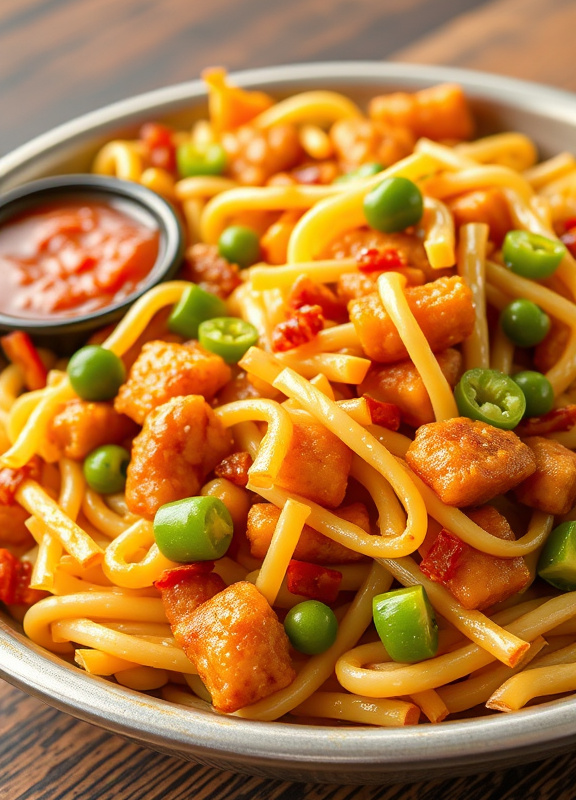
Panda Express entrées span a genuinely wide nutritional range, and understanding which dishes lean lighter versus richer makes a real difference if you’re building a meal around specific calorie or protein goals. This category covers the full range from the leanest options to the more indulgent, sauce-heavy dishes.
Grilled Teriyaki Chicken stands out as one of the leanest, highest-protein choices on the entire menu, delivering roughly 275 calories alongside 33 grams of protein, making it a favorite for guests specifically watching their macros. Broccoli Beef comes in even lighter at around 150 calories, giving guests a genuinely low-calorie entrée option without needing to skip meat entirely. String Bean Chicken Breast, at roughly 210 calories, rounds out the leaner tier of entrées, all three of which sit well below the calorie count of the menu’s richer, more sauce-forward dishes.
On the other end of the spectrum, entrées like Orange Chicken and Beijing Beef carry noticeably more calories due to their breading and sweeter, thicker sauces, often landing at 400 to 490 calories per serving. Because portion size at Panda Express is standardized per entrée scoop regardless of which dish you choose, the calorie difference between a lean and a rich entrée comes down almost entirely to preparation method and sauce rather than the amount of food on your plate. Given how consistently the leaner grilled and steamed dishes undercut the fried, sauce-heavy options, swapping even one entrée in a two- or three-entrée plate can meaningfully shift your total calorie count for the meal.
Guests building a lower-calorie plate often pair one leaner entrée like Grilled Teriyaki Chicken with a lighter side rather than defaulting to the same combination every visit.
| Item | Price | Calories | Protein |
|---|---|---|---|
| Grilled Teriyaki Chicken | $5.60 | 275 | 33g |
| Broccoli Beef | $5.60 | 150 | 9g |
| String Bean Chicken Breast | $5.60 | 210 | 14g |
| Orange Chicken | $5.60 | 490 | 25g |
| Beijing Beef | $5.60 | 470 | 15g |
Sides: Fried Rice vs. Chow Mein vs. Super Greens
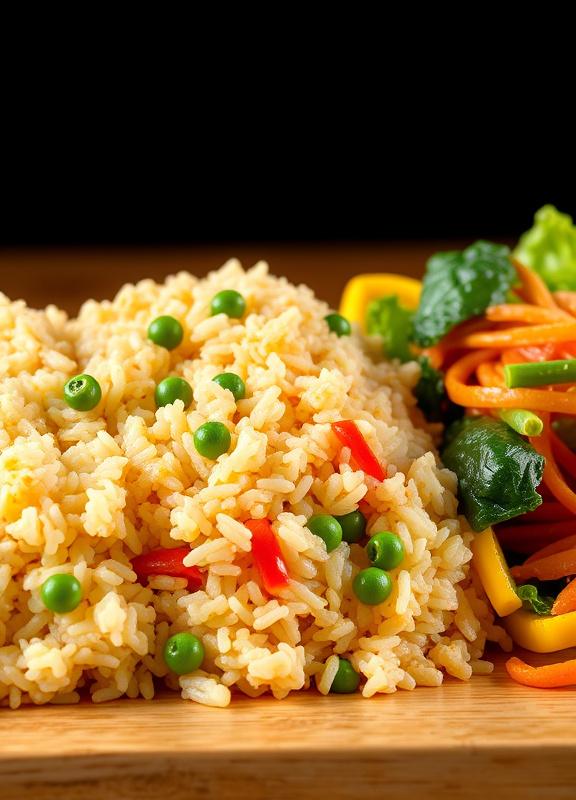
Panda Express sides carry just as much nutritional variation as the entrées, and the choice between Fried Rice, Chow Mein, and Super Greens can shift your total meal calorie count by several hundred calories depending on which you pick. This category tends to be where guests can make the biggest single swap for a lighter overall order.
Super Greens, a 10-ounce side built from a mix of broccoli, cabbage, and kale, comes in at just 130 calories with 9 grams of protein and 14 grams of carbs, making it by far the lightest side on the entire menu. Fried Rice and Chow Mein, by contrast, both land in a considerably higher calorie range given their base of noodles or rice cooked in oil, typically running 500 to 600 calories for a full side portion. Because Super Greens contains no peanuts, no gluten-containing grains, and no soy by ingredients, it also stands out as the most diet-versatile side for guests managing specific allergies or dietary restrictions.
Swapping Fried Rice for Super Greens in a standard combo meal saves roughly 470 to 490 calories, which is one of the single most effective changes a guest can make without altering their entrée choice at all. Given how significant that swap is, guests focused on calorie management are frequently advised to make this specific substitution before worrying about which entrée to choose, since the side often carries a bigger caloric impact than people initially assume.
Because Chow Mein and Fried Rice remain the most popular default sides despite their higher calorie counts, most guests would need to specifically request Super Greens rather than have it appear automatically.
| Item | Price | Calories | Protein |
|---|---|---|---|
| Super Greens (10 oz) | $4.40 | 130 | 9g |
| Chow Mein (10 oz) | $4.40 | 510 | 12g |
| Fried Rice (10 oz) | $4.40 | 600 | 13g |
| White Rice (10 oz) | $4.40 | 380 | 8g |
Bowl vs. Plate vs. Bigger Plate
Understanding the portion size differences between Panda Express’s Bowl, Plate, and Bigger Plate formats matters just as much as choosing the right entrées and sides, since the base format alone changes the total calorie and price picture significantly. This category settles the comparison guests most frequently ask about.
A Bowl includes one entrée and one side, giving the smallest overall portion and the lowest price point among the three formats. A Plate steps up to two entrées alongside one side, roughly doubling the entrée-driven calories while keeping the side portion the same size as the Bowl. The Bigger Plate goes even further, offering three entrées with one side, which naturally pushes both the calorie total and the price higher than either of the smaller formats.
Because the side portion stays consistent in size across all three formats, the calorie difference between them comes down almost entirely to how many entrées are included, which means the Super Greens-for-Fried-Rice swap discussed above becomes even more impactful the larger the format you choose. Given how a Bigger Plate with three richer entrées like Orange Chicken and Beijing Beef can easily push past 1,400 combined calories, portion format selection deserves just as much attention as individual dish choice for guests tracking their intake closely.
Guests looking for the healthiest complete meal often choose a Bowl with one lean entrée and Super Greens rather than stepping up to a Plate or Bigger Plate with richer options included.
| Item | Price | Calories (with 1 lean entrée + Super Greens) |
|---|---|---|
| Bowl (1 Entrée + 1 Side) | $8.30 | ~405 |
| Plate (2 Entrées + 1 Side) | $9.80 | ~680 |
| Bigger Plate (3 Entrées + 1 Side) | $12.20 | ~955 |
Cub Meals & Lower-Calorie Combos
For guests specifically looking for a lower-calorie, complete meal option, Panda Express offers combinations built specifically around lighter entrées, sides, and portions rather than requiring guests to manually build the lowest-calorie combination themselves. This category rounds out the practical, health-focused side of the menu.
The Broccoli Beef Cub Meal stands out as the healthiest packaged option on the menu, combining Broccoli Beef with white rice, Super Greens, apple crisps, and bottled water for a complete meal landing around 300 calories total and just 7 grams of fat. Because this meal was specifically built around the lower-calorie entrée and side combinations discussed earlier, it represents one of the most efficient ways to get a full meal without needing to calculate the swap yourself. Given how the meal includes a beverage and a small dessert alongside the entrée and side, it functions as a genuinely complete, portion-controlled option rather than requiring any additional add-ons.
Because nutrition values can vary slightly by location, portion, and seasonal menu changes, checking the official Panda Express nutrition calculator before finalizing an order remains the most reliable way to confirm exact numbers for your specific meal build.
| Item | Price | Calories |
|---|---|---|
| Broccoli Beef Cub Meal | $6.99 | ~300 |
| Grilled Teriyaki Chicken Bowl (with Super Greens) | $8.30 | ~405 |
How Accurate Is Panda Express Nutrition Information?
Panda Express nutrition data is sourced from the company’s official disclosures and updated regularly, but individual values can still vary slightly based on your specific location, exact portion served, and any seasonal menu changes that haven’t yet been reflected everywhere.
For most everyday planning purposes, the published calorie and protein figures are reliable enough to build a meal around, but if you’re managing a serious dietary restriction or a tightly tracked calorie goal, verifying current numbers directly through the official Panda Express website or in-store nutrition guide before ordering is the safest approach.
Frequently Asked Questions
Where Can You Find A Printable Panda Express Nutrition Menu?
The official Panda Express website offers a downloadable nutrition PDF covering every entrée, side, and beverage, giving you an offline reference alongside the standard printable menu.
Does A Printable Panda Express Nutrition Menu Include Every Item?
It generally covers all standing entrées, sides, appetizers, and beverages, though limited-time seasonal dishes may not always be reflected until the PDF is updated.
Why Do Calorie Counts On A Panda Express Nutrition Menu Vary?
Portion consistency, specific location practices, and occasional recipe updates can all cause minor variation, so treat published figures as a reliable estimate rather than an exact number every time.
Can You Use A Panda Express Nutrition Menu To Plan Your Budget?
Yes — pricing stays fairly consistent across the Bowl, Plate, and Bigger Plate formats, so once you’ve chosen your entrées and sides, estimating your total is straightforward.
Does Panda Express Offer A Nutrition Calculator?
Yes, the official Panda Express nutrition calculator lets you build your exact meal and instantly see combined calories, protein, carbs, fat, and sodium before you order.
How Often Should You Check For Updated Panda Express Nutrition Data?
Check whenever you’re planning a meal around specific goals, since seasonal menu changes and recipe updates can shift the numbers periodically throughout the year.
Final Word
Panda Express nutrition varies more than a lot of guests expect, with entrées ranging from a lean 150-calorie Broccoli Beef up to a 490-calorie Orange Chicken, and sides swinging just as widely between the 130-calorie Super Greens and a 600-calorie Fried Rice. Understanding these differences — and making a swap or two where it counts — lets you build a meal that actually fits your goals without giving up the flavors you’re there for.
Prices, calories, and menu items are estimates for reference purposes only and may vary by location. Always confirm current nutrition data with the official Panda Express website before making health-critical decisions.